
Blog
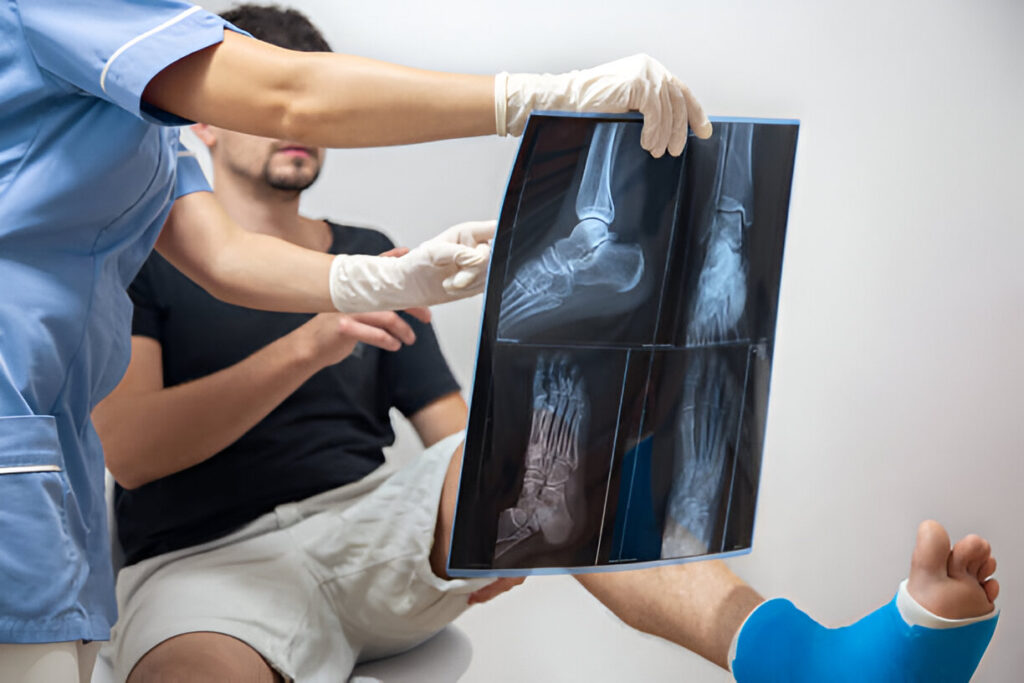
Understanding Hardware Removal Recovery
Hardware removal surgery is a common procedure for patients who have previously undergone orthopedic surgery involving the insertion of metal implants (screws, plates, or rods). These implants are often necessary to stabilize bones during the healing process, but they may need to be removed once healing is complete. Understanding the recovery process after hardware removal is crucial for patients to manage their expectations and ensure a smooth rehabilitation.
Whether it’s your first time with a cast or you’re looking for a refresher, Dr. Ashford’s tips will help you during the recovery process with confidence and ease.
Welcome to Arch Orthopedic & Spine, where we are devoted to keeping you strong, one step at a time.

Cast Care the Right Way
When it comes to healing from a fracture or injury, proper cast care plays a vital role in ensuring a successful recovery. Casts are designed to immobilize and protect the affected area, giving your body the stability it needs to heal. However, maintaining your cast isn’t just about comfort—it’s about preventing complications, promoting healing, and getting you back to your daily life faster.
Whether it’s your first time with a cast or you’re looking for a refresher, Dr. Ashford’s tips will help you during the recovery process with confidence and ease.
Welcome to Ashford Orthopedic Specialists, where we are devoted to keeping you strong, one step at a time.

What is Sports Medicine?
You might have seen this term used a lot—but what does it actually mean? The simple answer would be that it refers to health specialists that take care of athletes, but that would be an oversimplification.
Sports medicine involves different techniques and professionals that work together to keep and restore health in our athletes, but also people that maintain active lifestyles and/or perform certain high-impact activities. Let’s break it down and fully understand what sports medicine is and how it can help you.

Push through the Pain? Learn What to Do about an Injured Joint
While there are times and places to “push through the pain,” injuries in athletic settings are not one of them! Pain is your body’s way of telling you something’s not right—and more importantly, a warning that, if you keep moving, you may cause even more damage.
Going back to the gym, field or pool immediately after rolling your ankle, twisting the knee, or tweaking the shoulder is rarely the correct answer. On the other hand, laying down all day on the couch while eating and rewatching your favorite shows in the hopes that your joints will magically heal, while tempting, might not be great either.

Do Steroid Injections Work?
“I don’t want a short-term bandaid for this problem, I want it fixed!”
At Arch Orthopedic & Spine, we often hear patients repeat the phrase above—and strive to give them just that.

Are You a Runner? Learn 8 Ways to Protect Your Knees
Are you training for this year’s marathon? Or maybe you just enjoy running to keep you active? No matter what makes you a runner, the truth is this fun and healthy exercise can also be rough on your knees.
If you would like to keep running marathons until 2050, here are a few tips to keep your knees healthy: